
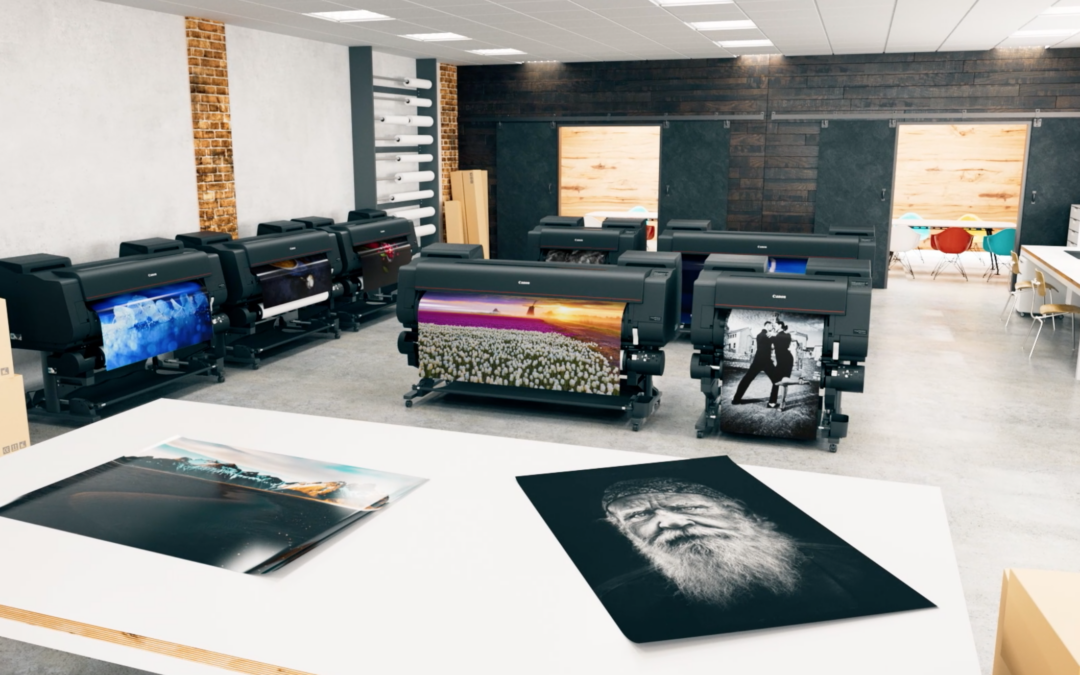
2026 is shaping up to be a reset year for large format printing. Not because of a single breakthrough technology, but because more businesses are quietly rethinking how and where their print actually gets produced. In house large format printing is no longer a niche choice. It is becoming a strategic one.
This shift is not being driven by cost cutting alone. It is being driven by pressure. Faster turnaround expectations. Higher scrutiny on colour accuracy. And an increasing need for certainty when print is tied to time sensitive moments.
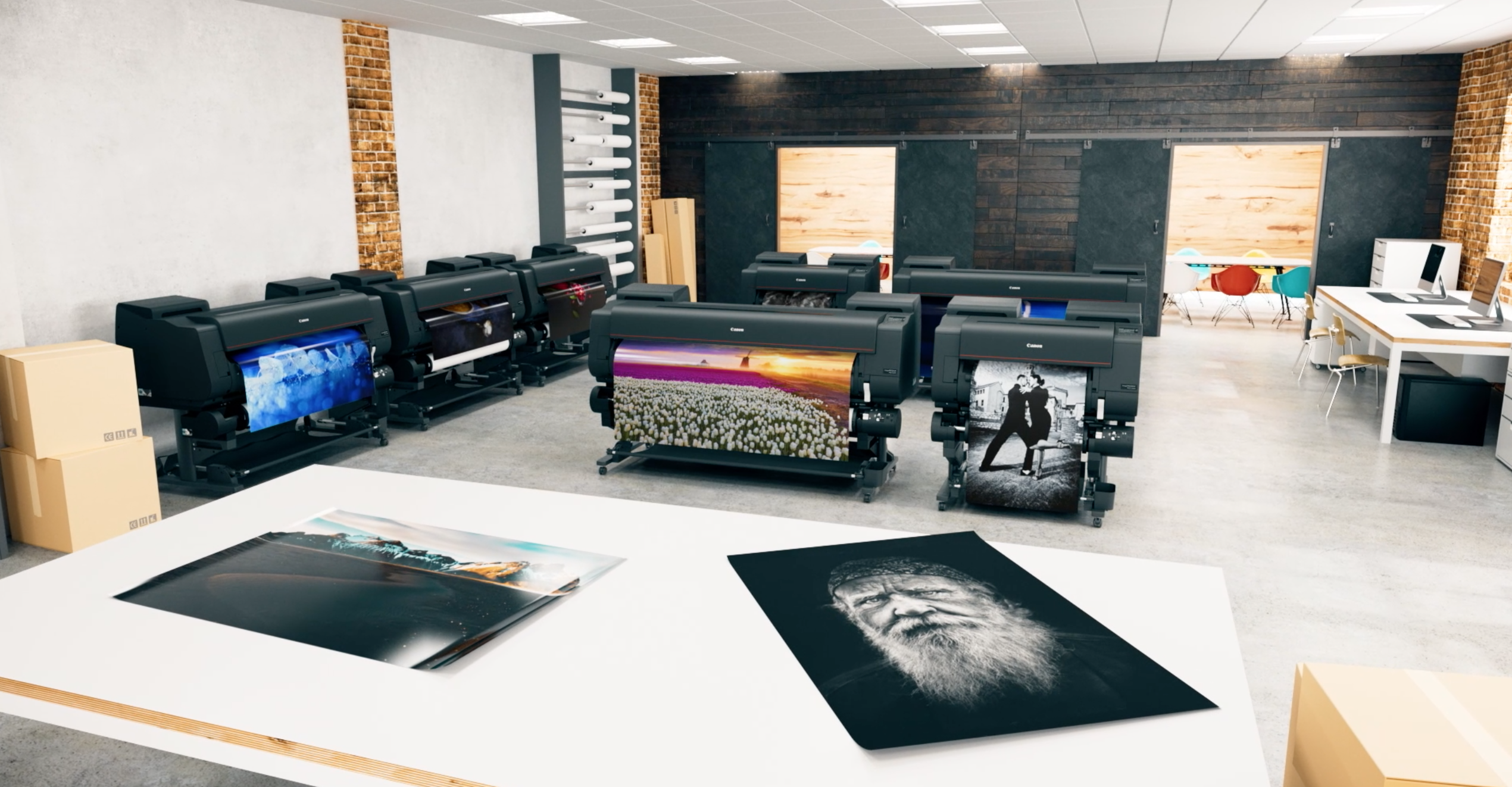
Industry forecasts suggest the large format printer market will continue growing at around five percent per year through the rest of the decade, rising from an estimated value of roughly £7.5 billion today to close to £10 billion by 2030. At the same time, research indicates that around one third of organisations expect to move more offline and print production in house.
This growth is already visible across the large format printers category , particularly in signage, exhibitions, retail environments and professional photography.
Why 2026 feels different
In previous years, outsourcing large format printing was often the safest option. In 2026, it is increasingly being viewed as a potential bottleneck. When campaigns shift late or visuals need reworking, waiting days for revised prints can introduce real risk.
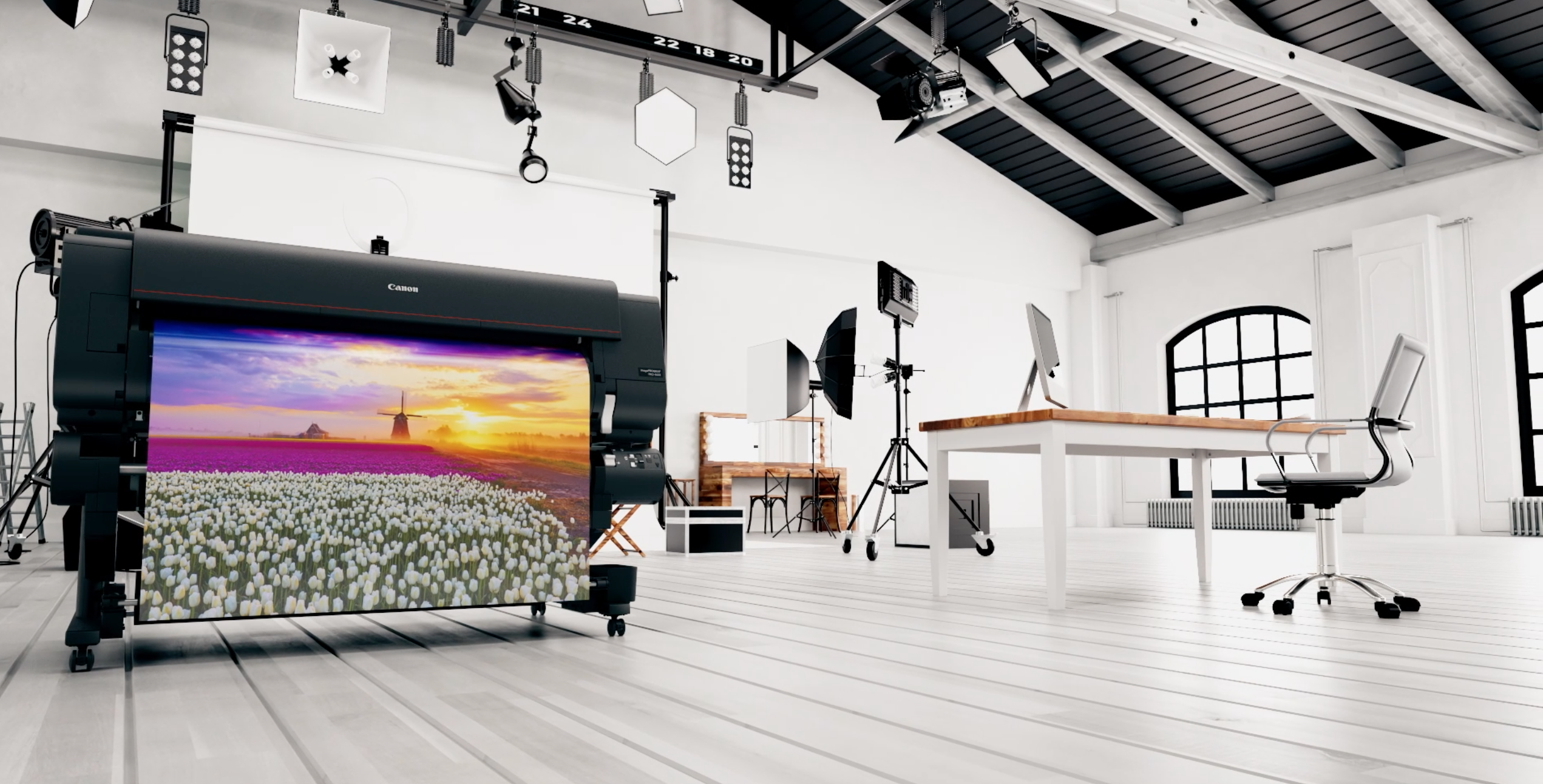
For many organisations, bringing large format printing in house is about removing uncertainty from critical workflows. Proofs can be produced immediately. Colours can be checked under real lighting conditions. Final output can be delivered without external dependencies.
This is particularly relevant for teams evaluating Canon professional large format printers , where repeatability and colour stability are essential.
What in house large format printing really means in 2026
Successful in house printing today is not about chasing speed or volume. It is about predictability. Media needs to behave the same way every time. Colour needs to remain stable across weeks and months. Output needs to be trusted without constant intervention.
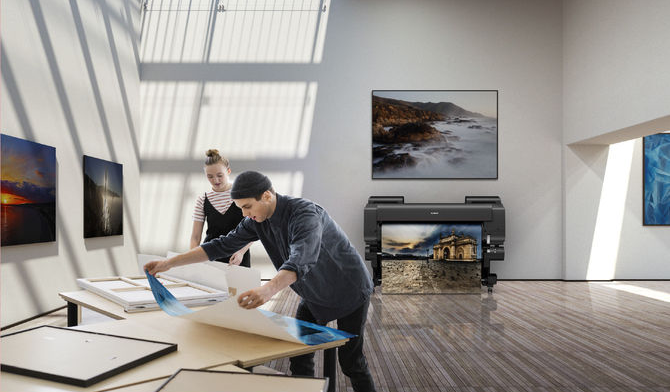
This is where tools designed for continuous studio use start to stand apart. Printers like the Canon imagePROGRAF PRO 2600 are built for environments where large format output becomes part of everyday operations rather than an occasional requirement.
Looking ahead through the rest of 2026, the businesses that benefit most from in house large format printing will be those that prioritise control, consistency and confidence over convenience. Print is not fading away. It is becoming more deliberate and more closely tied to brand value.
Frequently Asked Questions
Why is in house large format printing growing in 2026
In house large format printing is growing because businesses want faster turnaround, better colour control, and reduced reliance on external schedules. As print becomes more time sensitive, control and predictability matter more than outsourcing convenience.
Is in house large format printing cost effective
For organisations that print regularly, in house large format printing can offer more predictable costs. While outsourcing remains valuable for high volume or specialist work, frequent short runs often become more economical internally.
What type of businesses benefit most from in house large format printing
Creative studios, photographers, marketing teams, galleries, and organisations producing exhibitions or retail graphics benefit most from in house large format printing due to frequent revisions and high visual standards.
What should I look for in a professional large format printer in 2026
In 2026, key considerations include colour consistency, reliable media handling, predictable output over time, and suitability for continuous use rather than occasional printing.