
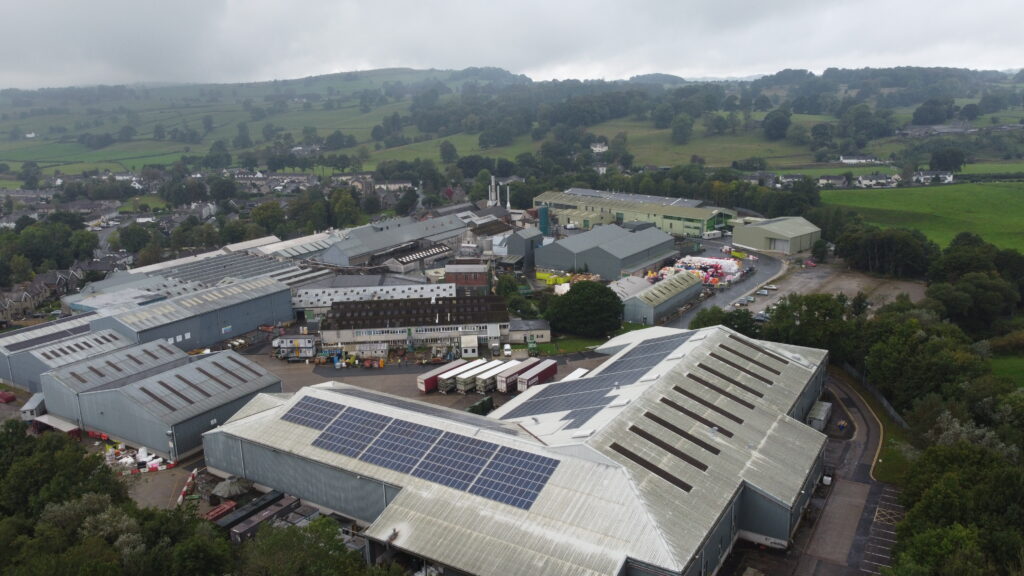
Featured photograph: an aerial view of Burneside Mill. Image: James Cropper.
British papermaking · People · Colour
Before a sheet of paper reaches a printer, it has already been shaped by hundreds of decisions. The Last Mill Standing, James Cropper’s new documentary, puts the people making those decisions in the frame.
For anyone who cares about print, design or the feel of a finished piece, it is a welcome invitation to look further upstream. We spend plenty of time talking about printers, inks and colour profiles. This story turns our attention to the material that brings those choices together.
The film at a glance
The Last Mill Standing is a 2026 documentary about James Cropper’s Burneside Mill in Cumbria. It explores the people, pressures and expertise behind specialist papermaking. James Cropper describes Burneside as Britain’s last remaining specialist coloured-paper mill. Source: James Cropper’s announcement, 4 November 2026.
Watch The Last Mill Standing
Set aside around half an hour and go behind the scenes. This is the official film from James Cropper Paper & Packaging, embedded from its YouTube channel.
Film: James Cropper Paper & Packaging. Watch on YouTube or visit the official film website.
Inside Burneside: a working mill with a future to build
James Cropper traces its history to 1845. Its account of the documentary describes filming in July 2026, following the business through a period of change. The story moves between operational decisions and the practical work of keeping production running. Maintenance, staffing, safety and the transfer of knowledge all have a part to play. Read James Cropper’s background to the film.
That makes an interesting starting point for a print business. A dependable result is built from a chain of skills: the person who understands a material, the engineer who keeps equipment working, and the colleague who can explain a process to someone new. The finished sheet rarely tells you how much effort sits behind it.
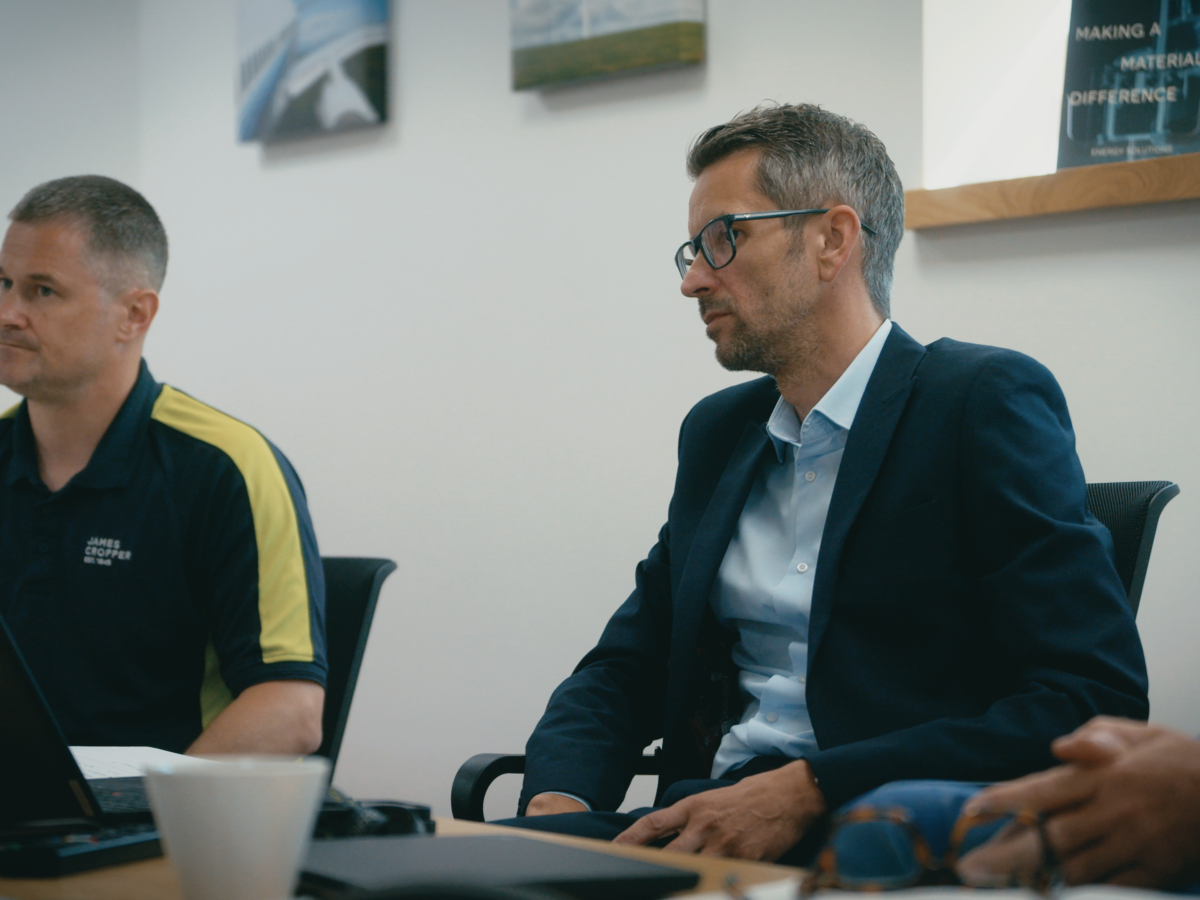
Colour is a craft long before it reaches the printer
James Cropper’s description of its colour work is revealing. A laboratory sheet begins the matching process; trained visual judgement works alongside technology as a colour moves towards production. Dyes and pigments are chosen for both appearance and end use, with testing that includes colourfastness, rubbing and bleeding. Source: James Cropper’s colour capabilities.
For designers and print buyers, the useful question is what you want the material to do. Should the paper feel quiet and understated, carry a strong colour of its own, or give a photographic image the surface it needs? Start with a physical sample. Put it beside the artwork and consider the finished object, rather than choosing from a screen alone.
If this has you looking again at paper selection, our guide to Hahnemühle fine art papers explores a different part of that conversation. For a Hahnemühle inkjet workflow, see our ICC profile download and setup guide. Each paper and printing process needs its own specification.
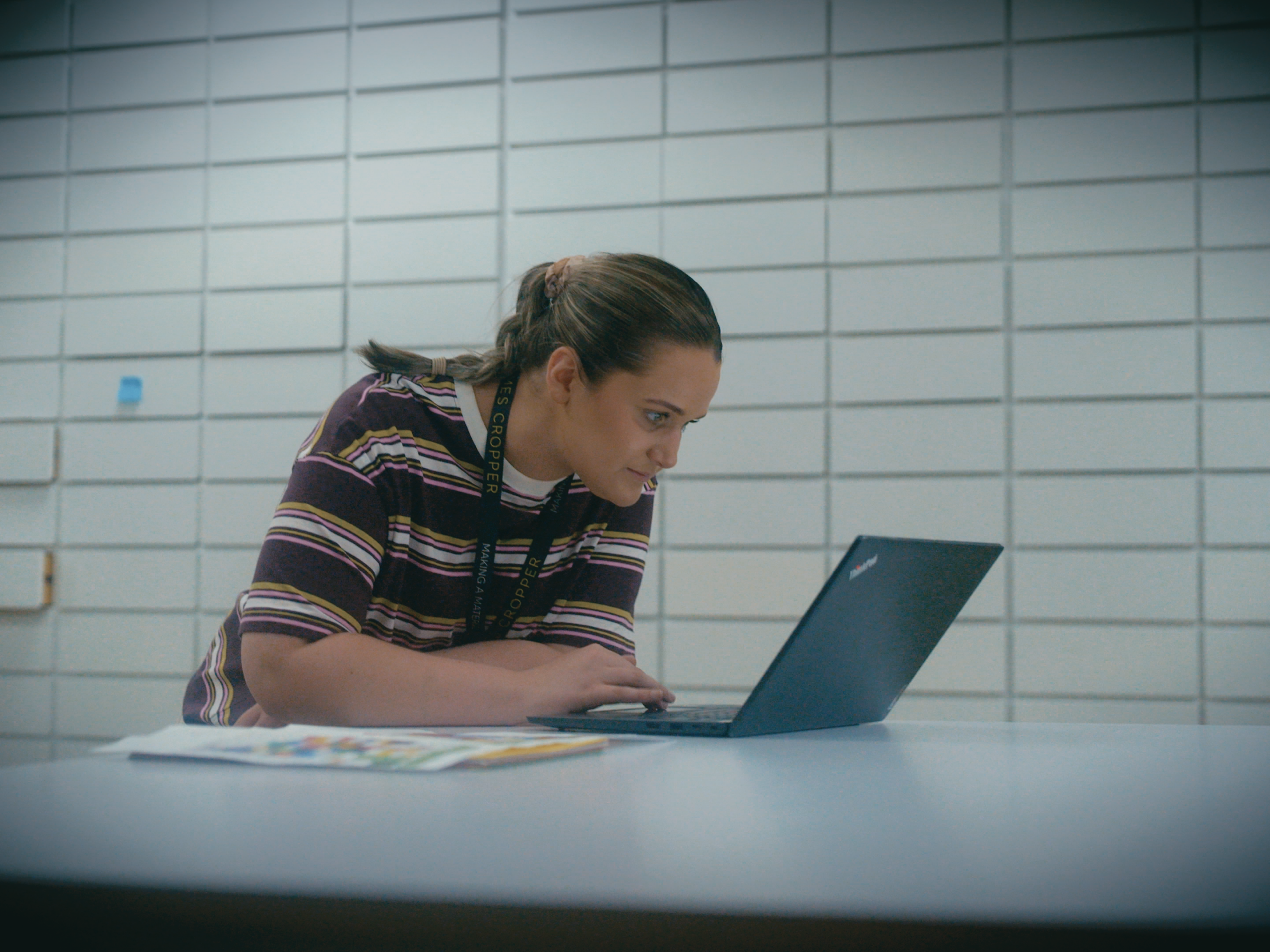
The knowledge worth passing on
The company’s longer account highlights colleagues with decades of experience and the need to make their knowledge accessible to new starters. It also places the mill within the life of Burneside, where work, families and local institutions have long been connected. Source: James Cropper’s documentary feature.
There is a useful prompt here for any workshop or studio: which parts of your process live only in someone’s head? A recorded setting, a labelled sample or a clear maintenance routine can turn individual experience into something the whole team can use. That is a practical way to value craftsmanship while making room for the next generation.
Our reason for sharing the film is simple. Paper deserves attention as a made material. The more closely we look at where it comes from and what goes into it, the better the questions we can ask when choosing it for our own work.
Questions about The Last Mill Standing
What is The Last Mill Standing about?
The Last Mill Standing is a 2026 documentary about James Cropper’s Burneside Mill, its people and the challenges of specialist British papermaking.
Is James Cropper the last paper mill in Britain?
The title refers to Britain’s last remaining specialist coloured-paper mill, according to James Cropper. It does not mean that Britain has only one paper mill.
Where can I watch The Last Mill Standing?
Watch the official film in the player above, on lastmillstanding.com or on the James Cropper Paper & Packaging YouTube channel.
Film details and the specialist-mill description are drawn from James Cropper’s announcement and the official film website.
Choosing paper for your next print?
Tell us what you want to produce, which printer you use and the finish you have in mind. We can help you explore suitable print media and the workflow around it.
Sources & image credits
Published 11 November 2026. This article combines source-based reporting with RGB UK’s perspective on print and paper choice.
- The Last Mill Standing — official film website and video.
- James Cropper — documentary launch announcement, 4 November 2026.
- James Cropper — The Last Mill Standing: 180 years in the making. Everything still to prove., 4 November 2026.
- James Cropper — colour expertise and production process.
The featured aerial photograph of Burneside Mill is sourced from James Cropper’s history page. The article photographs are documentary stills from James Cropper’s launch article. All photographs are credited to James Cropper. The embedded film is published by James Cropper Paper & Packaging.
Cite this article: Mark Shaw, RGB UK, “James Cropper: The Last Mill Standing”, 11 November 2026. Permanent article link. For claims about the mill or documentary, the primary sources above provide the original attribution.